Moisture Management in Construction: Why Material Selection Matters for Long-Term Building Performance
Mumbai, (Maharashtra) [India], October 21, 2026: Moisture management remains a key consideration in building construction, especially in areas exposed to humidity, water contact, and damp conditions. Bathrooms, kitchens, basements, balconies and parking podiums often require materials that can maintain surface quality while addressing moisture-related challenges. As construction practices evolve, the choice of plaster is becoming an important part of this conversation.
Traditional plastering systems may encounter issues such as surface deterioration, efflorescence, and inconsistent finishes when material selection and application do not adequately account for site conditions. Moisture can also move through porous building materials through capillary action, making it important to consider the properties of the plaster used on internal surfaces.


This has increased the relevance of application-specific construction materials designed to address particular performance requirements. Moisture-resistant gypsum plaster is one such development, offering an alternative for selected internal applications where controlling water absorption is an important consideration.
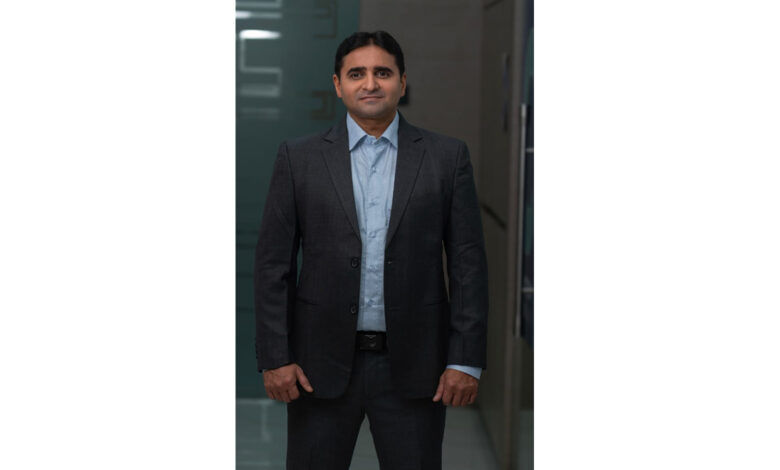
Commenting on the importance of material selection, Kaushal Mehta, Managing Director of, Walplast Products Pvt. Ltd., said, “Modern construction demands greater speed, consistency and materials suited to specific applications. In moisture-prone spaces, choosing the right plaster is key to long-term surface performance. HomeSure GypEx MoistShield addresses moisture-related requirements in suitable internal areas, reflecting our focus on practical solutions that help construction professionals achieve more consistent and predictable results on site.”
Walplast Products Pvt. Ltd. has expanded its HomeSure GypEx portfolio with HomeSure GypEx MoistShield, a moisture-resistant gypsum plaster developed for areas such as bathrooms, kitchens, basements, balconies, parking podiums and skirting areas. Formulated with pure gypsum, selected fillers and special additives, the product is designed to control water absorption while providing a smooth finish and strong adhesion for internal walls and ceilings.
With a stated water absorption of less than 10%, compressive strength above 1.0 MPa and dry adhesion strength above 0.3 MPa, MoistShield addresses performance considerations relevant to moisture-prone internal applications. It is designed for use on internal surfaces including bricks, blocks, reinforced cement concrete (RCC) and sand-cement surfaces.
However, moisture-resistant plaster should not be confused with a waterproofing system. Areas exposed to direct or prolonged water contact require appropriate waterproofing measures. Surface preparation, correct application and suitable detailing around joints and service areas also remain essential to the performance of the overall building system.
For developers and contractors, the choice of plaster should therefore extend beyond initial cost and surface finish. Factors such as substrate compatibility, exposure conditions, application requirements and maintenance considerations need to be evaluated before selecting a material.
The broader shift towards purpose-built construction materials reflects a growing focus on matching products to specific building requirements. As the industry seeks greater consistency in execution and surface performance, moisture-resistant plastering solutions can contribute to more informed material choices when used in appropriate applications.